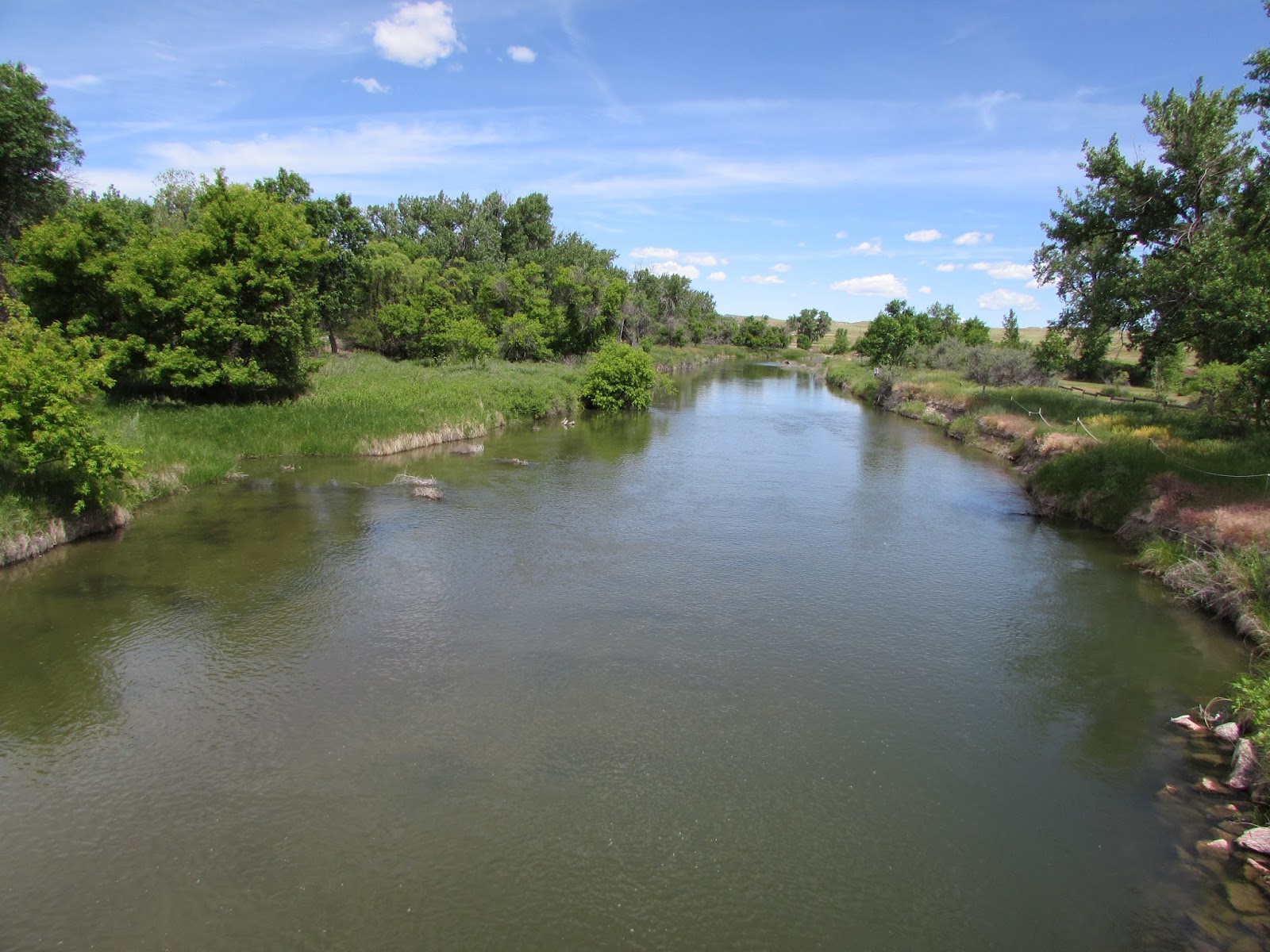
The Grattan Massacre, Aug 19, 1854, is often listed as the event that started the Indian wars on the plains. Anyone who is interested in Wyoming history knows the story of the killing of the cow from a Mormon wagon train and Grattan leading his troops to their death in the ensuing battle. But very few know the story of the commanding office at Fort Laramie, who either ordered him or allowed him to take the troopers on the ill-fated journey.

Brevet Second Lieutenant Hugh B Fleming was the commander at Fort Laramie at the time. The fact that a Brevet Second Lieutenant was in charge is a bit of a mystery itself. Fleming was promoted from cadet, upon his graduation from West Point, to the rank and sent to Fort Laramie. One year later he was in command. I am not sure how officers were chosen for command, but it is likely that Fleming was neither ready nor capable of this command, only a year removed from Cadet status at West Point.

Fleming was in charge but undoubtedly was not meant to be the permanent commander. In 1854 alone, four different men commanded the Fort. Fleming followed, Lt. Richard Brooke Garnett and proceeded Major Andrew W. Evans who was followed by Major William Hoffman who stayed through 1857. It is possible that Fleming was ushered out as soon after the August Grattan massacre as the Army could make the move.

It was not this brief time as the commander alone that left his stamp forever on the Indian wars of the west. In June of 1853, Fleming was sent by Fort Commander Lieutenant Richard B. Garnett to a Miniconjou Sioux encampment that had fired upon Sergeant Raymond and captured an army supply boat near the fort. Although no one was injured and the boat was soon recovered, Fleming was sent with orders to demand the Indians turn over, to the army, the person who had fired at them. Fleming took along 23 men and an interpreter. His orders in addition to bringing back the shooter allowed for Fleming to capture and bring back two or three prisoners if the Miniconjou would not turn over the one who fired on them.

The tribe refused to turn over the wanted man and Fleming marched his men into the center of the village to take prisoners. A battle started and three warriors were killed and three more wounded. Fleming grabbed two more as prisoners and returned to Fort Laramie. A few days later a group of Miniconjou came to the Fort, asking to parley. Whatever happened here, the tribe was not satisfied. It took a bit over a year before Grattan and his men were killed, but Lt. Fleming and his two very bad decisions may have directly led to the Indian or Sioux wars in the west.

Fleming went on to a long but rather ordinary career in the military, serving as a recruiter and not seeing action in the Civil War, he retired as a Major.
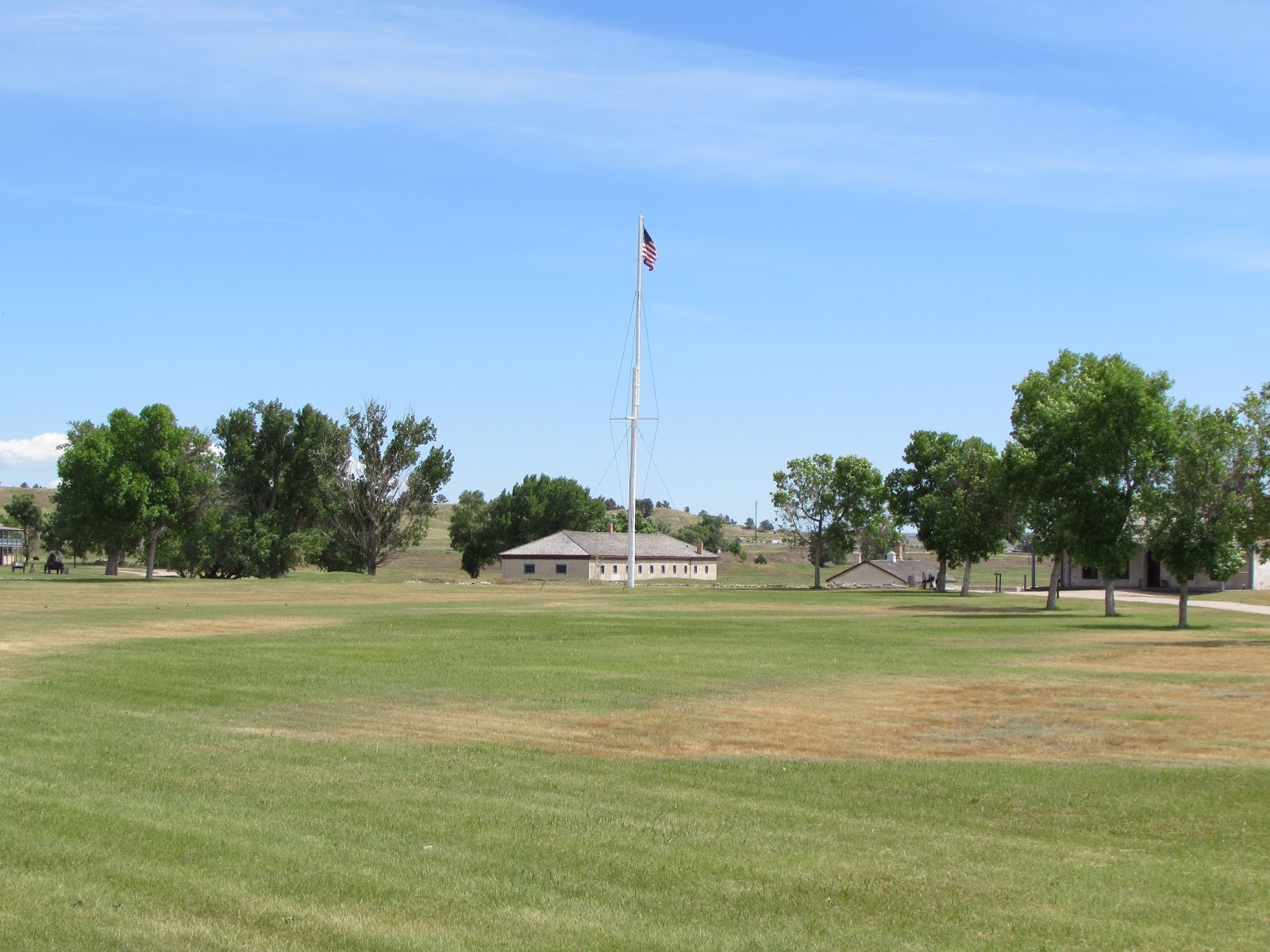
Note* I am pretty deep into research on a new book about Fort Laramie and have found dozens of stories, like this one, that seem to give a different and deeper view of history. When researching I try to be very painstaking in getting it right. In ten minutes of looking at online sites on the Grattan Massacre I found it happened on August 17 or August 19 in either 1853 or 1854. As I told my students for 42 years, check and verify before putting it on paper. By the way - It happened on August 19, 1854.
 |
| Couldn't resist - here I am at Fort Laramie on the Fourth of July - thanks for reading |